Unveiling the Strength Hidden: Exploring Mechanical Actuator Components and Their Key Crucial Roles
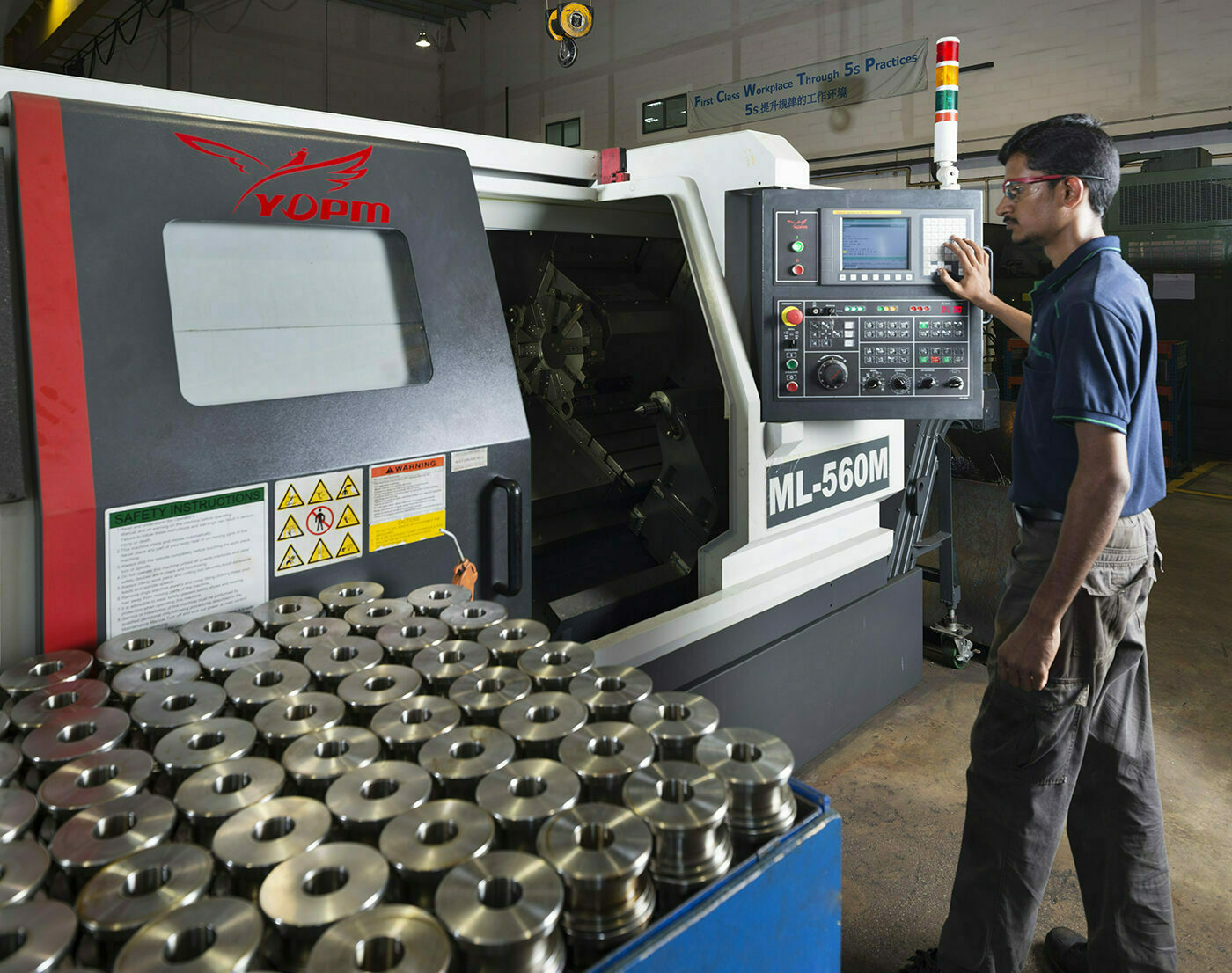
Mechanical actuators are the behind-the-scenes workhorses of many machines around the industry, quietly powering demanding operations in building, agribusiness, industry, and excavation operations. These strong industrial actuators change high-pressure oil into accurate, straight-line motion, elevating, driving, retrieving, and placing massive materials with accuracy and reliability. While they may appear deceptively plain from the exterior, the efficiency of a industrial actuator is the outcome of the perfect coordination of numerous inner elements working as one in perfect balance. Learning these essential elements and their roles is important for anyone engaged in planning, operation, or repair of industrial machines. Hydraulic cylinder parts
Core Elements of a Hydraulic Cylinder and How They Function
At the heart of each hydraulic unit lies the pressure barrel, a finely engineered chamber that contains the key sliding parts. It acts as the central shell of the cylinder and holds the pressurized liquid that transmits power. Because it must handle intense operating pressure and support consistent movement, the internal bore of the barrel is finely polished to strict specifications.Inside this housing sits the piston, the moving part that separates the inside chamber into individual working sections. When controlled fluid is directed to either side of the piston, force increases and pushes the unit along the axis of the tube. This action is what ultimately creates the powerful, linear motion that the cylinder is engineered to produce. The piston’s fit and contact within the housing are vital for effective force delivery and minimal fluid bypass.
Connected firmly to the component is the drive shaft, a hardened alloy arm that carries the force generated within the system to the connected equipment. Whether extending to lift a massive object or pulling back to reposition a assembly, the output shaft must be incredibly tough and damage-resistant. Often surface-treated or otherwise processed to minimize corrosion and drag, this shaft ensures that the cylinder can provide consistent results under the harshest environments. Hydraulic cylinder parts
Why Learning Cylinder Elements Is Important More Than You Realize
Hydraulic systems serve a critical purpose in countless mechanical operations, but their output and service life rely on the quality of all inner element. Understanding the jobs of the cylinder tube, piston, shaft, seals, and additional parts allows operators to identify faults rapidly, perform maintenance in advance, and support informed choices about overhauls or changes. A failed rod sealing ring might result in fluid loss long ahead of a piston breakdown becomes visible, and recognizing this early can prevent costly delays and service expenses.Moreover, choosing the proper industrial system for a specific application demands awareness of how these elements influence power, speed precision, and durability. Whether you are planning systems for a infrastructure fleet, servicing farming tools, or analyzing factory automation, a clear grasp of industrial actuator structure helps support maximum efficiency.
As the backbone of so many mechanical systems, hydraulic cylinders deserve careful attention. By appreciating the roles each part plays—from the strength of the piston rod to the sealing of a compact ring—you release the complete power of your equipment and protect its performance for years to come.
Find out more on - Hydraulic cylinder parts