Unlocking the Strength Within: Understanding Hydraulic Machine Elements and Their Key Crucial Roles
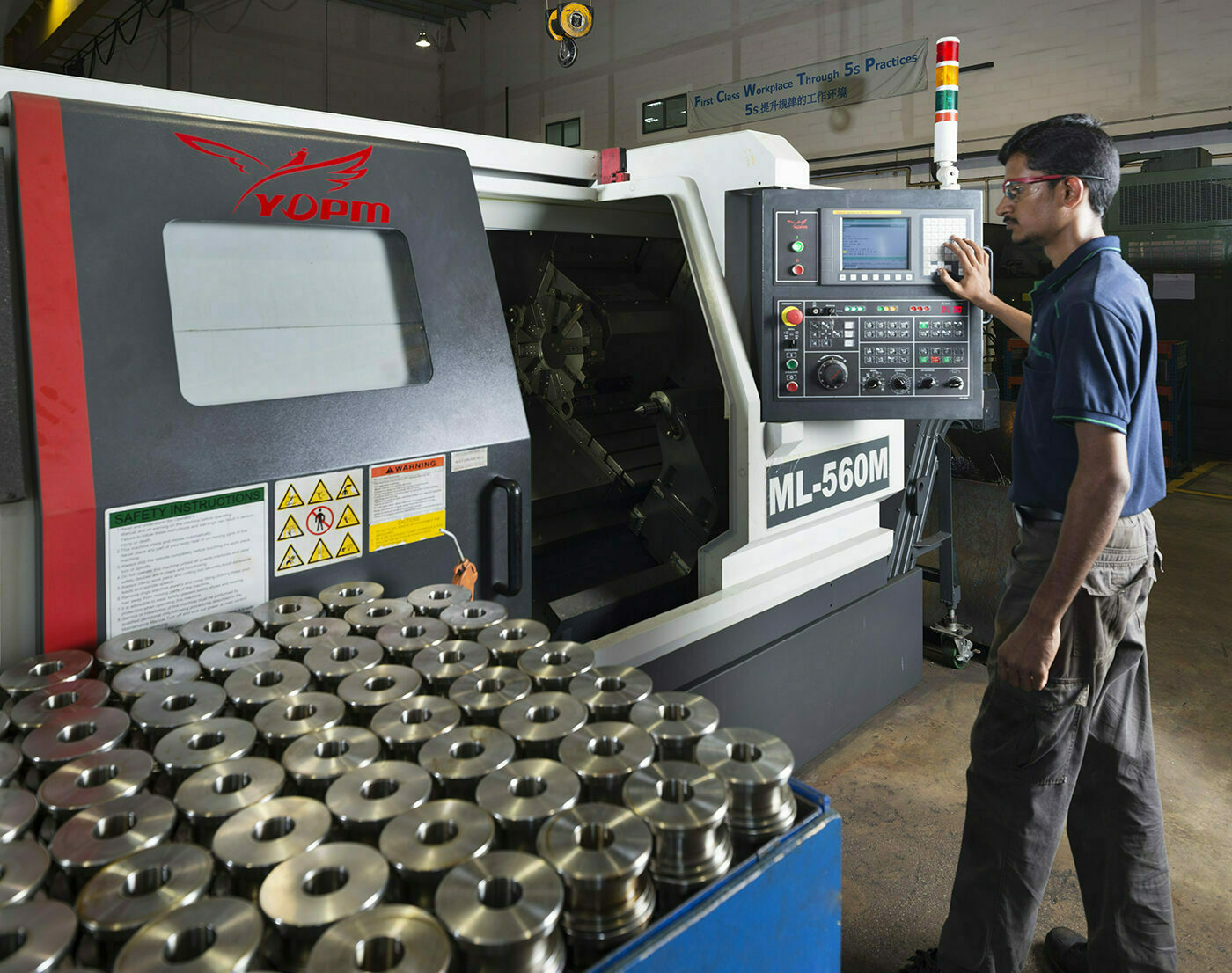
Mechanical systems are the unsung workhorses of numerous machines across the globe, quietly operating demanding tasks in construction, farming, production, and mineral work. These strong hydraulic units change controlled liquid into controlled, linear motion, lifting, pushing, pulling, and placing massive loads with precision and reliability. While they may look deceptively simple from the outside, the performance of a industrial unit is the outcome of the seamless interaction of numerous core elements functioning in unison in ideal harmony. Understanding these essential parts and their jobs is important for any technician engaged in engineering, control, or servicing of industrial machines. Hydraulic cylinder parts
Main Parts of a Industrial Cylinder and The Way They Operate
At the core of each industrial cylinder lies the cylinder body, a carefully crafted tube that houses the core moving elements. It acts as the primary body of the system and holds the hydraulic liquid that carries energy. Because it must handle high internal pressure and allow smooth operation, the internal wall of the tube is finely treated to strict tolerances.Inside this barrel sits the sliding disc, the moving component that splits the inner space into distinct pressure sections. When high-pressure liquid is sent to either end of the piston, energy increases and moves the component along the length of the tube. This action is what effectively produces the controlled, straight-line force that the cylinder is engineered to deliver. The piston position and contact within the tube are vital for efficient energy delivery and minimal oil loss.
Connected directly to the component is the piston shaft, a hardened metal shaft that carries the force created within the system to the external equipment. Whether extending to raise a large structure or retracting to realign a assembly, the piston rod must be exceptionally tough and wear-resistant. Often surface-treated or professionally treated to reduce rust and drag, this rod ensures that the system can provide reliable output under the most demanding situations. Hydraulic cylinder parts
Why Understanding Hydraulic Parts Is Important Even Than You Realize
Hydraulic cylinders serve a major purpose in numerous mechanical applications, but their efficiency and durability rely on the condition of every core element. Learning the jobs of the cylinder barrel, piston, rod, seals, and other parts empowers operators to diagnose issues rapidly, schedule maintenance proactively, and make informed decisions about repairs or upgrades. A worn output seal component might result in fluid leakage long before a piston failure becomes evident, and recognizing this soon can reduce costly interruptions and service expenses.Moreover, selecting the proper hydraulic cylinder for a specific application requires awareness of how these elements affect power, motion control, and lifespan. Whether you are selecting machinery for a building project, maintaining field equipment, or troubleshooting plant processes, a solid understanding of hydraulic unit structure helps guarantee optimal efficiency.
As the core of so numerous mechanical applications, industrial cylinders need proper attention. By recognizing the functions each part performs—from the power of the piston bar to the precision of a tiny seal—you unlock the complete capability of your machinery and ensure its performance for years to forward.
Find out more on - Hydraulic cylinder parts